ABOUT PROGRAM OPTIONAL EVENTS ORGANIZING COMMITTEE POSTER NEWS GALLERY CONTACT REGISTRATION
ES | EN | FR

NEWS
CELEBRATING THE INTERNATIONAL YEAR OF RANGELANDS AND PASTORALISTS 2026
MADRID INTERNATIONAL MEETING
"Young Pastoralists & New Technologies"

March 30, 2026 Press Release

200 professionals from over 30 countries meet in Madrid for the first forum of the International Year of Rangelands and Pastoralists 2026

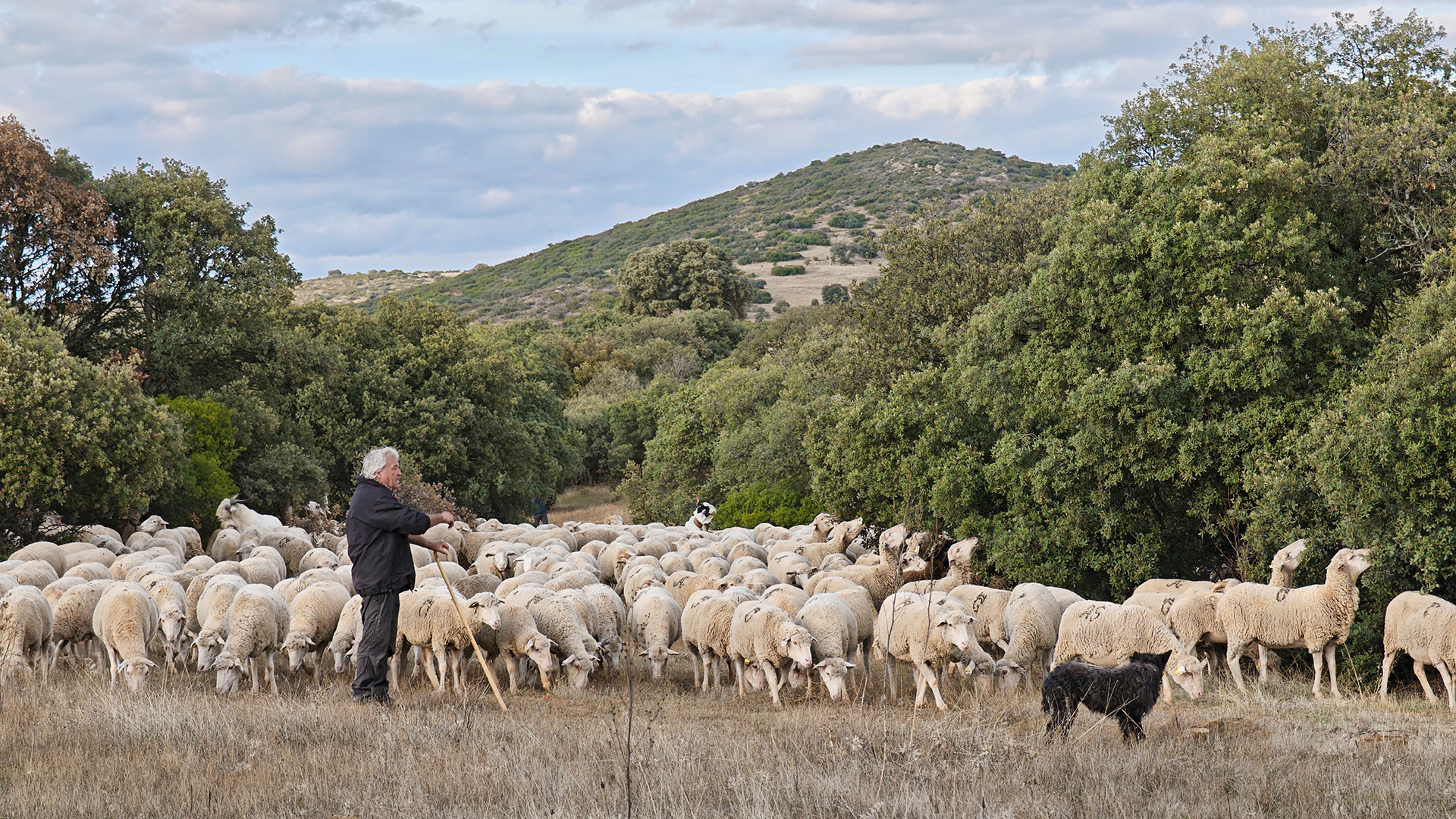
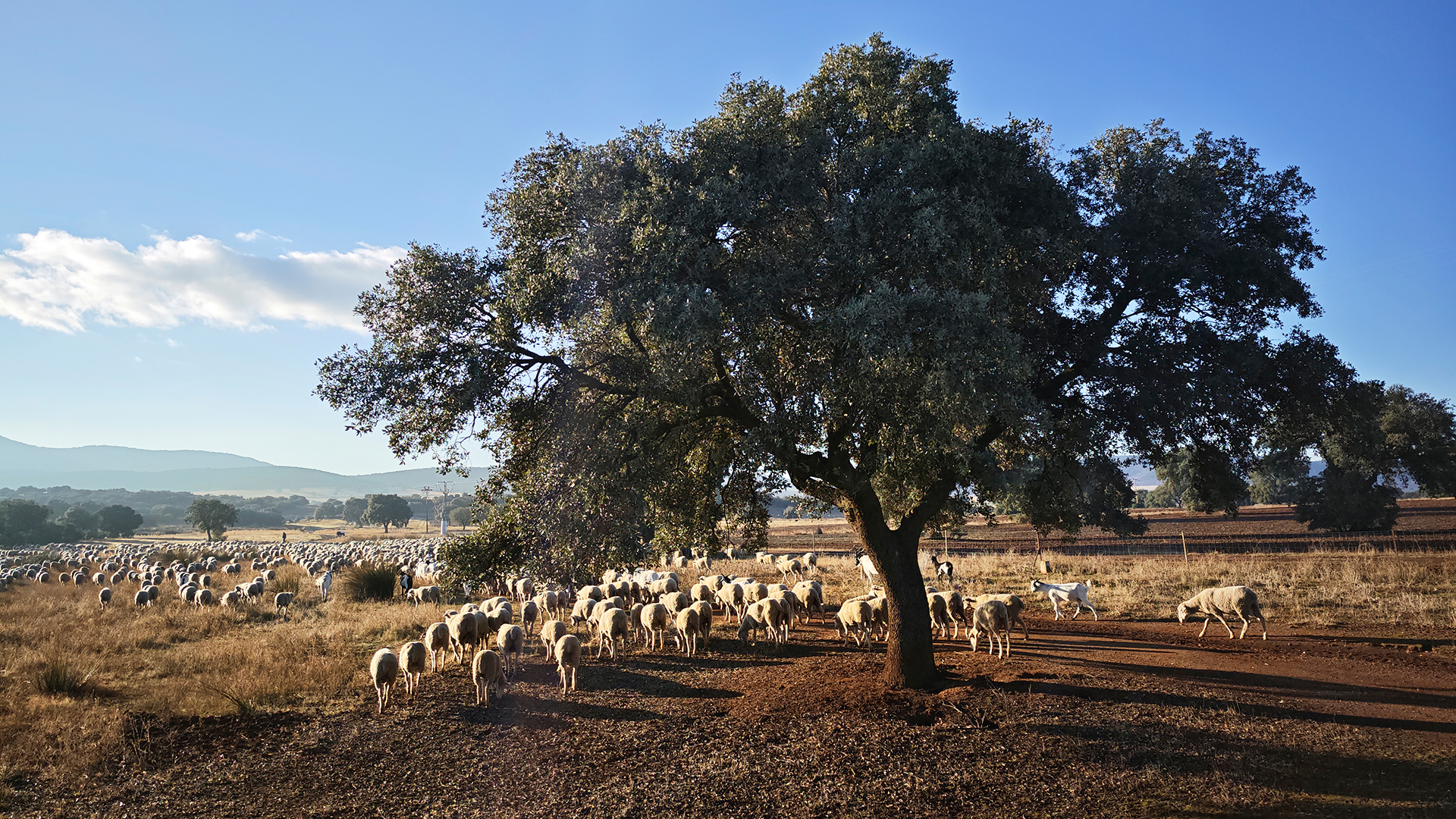
sheep grazing field
  • “Celebrating the International Year of Rangelands and Pastoralists 2026. Madrid International Meeting” is promoted by FAO, IMIDRA -Community of Madrid-, CIHEAM Zaragoza, Global Alliance for Rangelands and Pastoralists, and Fundación Trashumancia y Naturaleza
  • Organized within the framework of the International Year of Rangelands and Pastoralists 2026 (IYRP 2026), declared by the UN
  • Under the motto “Young pastoralists and new technologies”, it will address the challenge of generational renewal and technification
  • It will take place at the Institute of Engineering of Spain, from April 9 to 11, with a prior international seminar by CIHEAM Zaragoza on April 7 and 8.
  • All information at https://iyrp2026madrid.org

March 30, 2026. The city of Madrid will bring together over 200 professionals from 32 countries and 5 continents at the forum “Celebrating the International Year of Rangelands and Pastoralists 2026. Madrid International Meeting”. It will take place from April 9 to 11, within the framework of the International Year of Rangelands and Pastoralists, declared by the United Nations. This event is organized by the Food and Agriculture Organization of the United Nations (FAO), the Madrid Institute for Rural, Agricultural and Food Research and Development of the Community of Madrid (IMIDRA), the Spanish headquarters of the International Centre for Advanced Mediterranean Agronomic Studies (CIHEAM Zaragoza), the Trashumancia y Naturaleza Foundation, and the Global Alliance for Rangelands and Pastoralists, with the collaboration of the Entretantos Foundation, the Biodiversity Foundation, Red Eléctrica, International Land Coalition, Interovic, and the Aranjuez City Council.

Over three days, experts will learn firsthand about initiatives, share knowledge, and strengthen cooperation between countries to protect pastoralism practices. The core theme of this event will be generational renewal, proposing measures for its guarantee, alongside the implementation of new technologies and innovations in a context of adaptation and conservation. Key issues surrounding pastoralism will be addressed, including its link to territorial sustainability, marketing strategies for its products, and the importance of support networks among pastoralists. On April 7 and 8, prior to the forum, CIHEAM Zaragoza will hold an international seminar to foster a Mediterranean network of sustainable livestock systems.

This global meeting aims to strengthen international cooperation and promote the recognition of transhumance as a culturally, economically, and environmentally sustainable practice. The recognition of transhumance as Intangible Cultural Heritage of Humanity by UNESCO in 2019 —expanded in 2023 with the inclusion of Spain in the international candidacy— represented a fundamental milestone in the valorization and international projection of this ancient practice. In this context, the Community of Madrid hosted a focal point meeting, with IMIDRA as the host entity, on October 19, 2024. Furthermore, within the framework of this international meeting, the Community of Madrid will announce the initiation of the declaration of Transhumance as an Asset of Cultural Interest (BIC), a recognition of special relevance for the protection, safeguarding, and enhancement of cultural heritage linked to extensive livestock farming and transhumant pastoralism.

The meeting will conclude on April 11 with a visit to the historic Casa de la Monta of IMIDRA in Aranjuez, hosting various activities such as photographic exhibitions, wool textile art, herding and shearing demonstrations, the presentation of technological solutions for extensive livestock farming, and spaces for the valorization of products linked to native breeds.

The forum can be followed via streaming, as well as through the official channels and social networks of each of the organizing committee entities. All information and the program can be found on the event's official website: https://iyrp2026madrid.org
March 30, 2026 International

Madrid hosts the first global gathering of young pastoralists

global gathering of young pastoralists

A new generation takes the baton to defend pastoralism as a solution to the great environmental and social challenges of the 21st century

Young pastoralists from 33 countries will meet in Spain at one of the most prominent events of the International Year of Rangelands and Pastoralists 2026.

Madrid will become the international capital of pastoralism this April by hosting one of the most relevant European events of the International Year of Rangelands and Pastoralists 2026 (IYRP 2026).

The international gathering “IYRP Young Pastoralists Global Gathering & New Technologies” will be held from April 9 to 11 at the Engineering Institute of Spain, bringing together nearly 200 participants, including young pastoralists, researchers, public policymakers, and representatives of international organizations.

The initiative has been promoted by IMIDRA (Madrid Institute for Rural, Agricultural and Food Research and Development) and the Trashumancia y Naturaleza Foundation, with the collaboration of FAO (Food and Agriculture Organization of the United Nations) and CIHEAM Zaragoza, and the support of the Biodiversity Foundation (a public foundation of the Government of Spain attached to the Ministry for the Ecological Transition and the Demographic Challenge), Red Eléctrica de España, Entretantos Foundation, and the International Land Coalition (ILC).

1. A GLOBAL GATHERING FOR THE NEW GENERATION OF PASTORALISTS

One of the highlights of the event is the participation of young pastoralists from 33 countries in Africa, America, Asia, and Europe. Many of them are leaders in their communities and represent the new generation called to ensure the continuity of pastoral traditions by adapting them to the challenges of the 21st century.

The gathering focuses on generational renewal, innovation, and the role of new technologies in pastoral systems, addressing one of the great challenges of pastoral regions worldwide: ensuring the continuity of a millennial way of life while reinforcing its environmental sustainability and economic viability.

During three days of debates, Madrid will become a space for dialogue where pastoralists and experts will share knowledge and experiences to strengthen pastoral systems, especially mobile pastoralism and transhumance, recognized by UNESCO as Intangible Cultural Heritage of Humanity.

2. INTERNATIONAL EXPERTS AND PASTORALIST LEADERS

The event will feature prominent international experts and renowned young pastoralists:

  • Ilse Köhler-Rollefson, German scientist and global specialist in pastoralism.
  • Gregorio Velasco, coordinator of the FAO Pastoralist Knowledge Hub platform.
  • Bálint Sándor, expert in traditional ecological knowledge from the Centre for Ecological Research of Hungary.
  • Kunduz Adylbekova, ILC and Central Asia young pastoralists group.
  • Georgios Ziagkas, representative of transhumant pastoralists of Greece.
  • Verónica Apaza, Red Puna textile artisan network (Argentina).
  • Jacob Lekaitogo, coordinator of the GARP young pastoralists group.
  • Tamara Mitrofanenko, Secretariat of the Carpathian Convention (UNEP).
  • Maya Sherpa, representative of Himalayan pastoralists in Nepal.

3. BUILDING A GLOBAL VOICE FOR YOUNG PASTORALISTS

One of the main objectives is the preparation of a joint declaration that will be presented at the COP17 of the UNCCD in Mongolia (August 2026). In addition, it seeks to:

  • Strengthen international networks of young pastoralists.
  • Promote ecologically sustainable and inclusive livestock systems.
  • Boost value chains and appropriate technologies for pastoralism.
  • Promote comprehensive conservation approaches (biodiversity, local breeds, traditional knowledge).

4. FIELD ACTIVITIES AND CULTURAL PROGRAM

In addition to the working sessions, participants will visit the historic Casa de la Monta of IMIDRA in Aranjuez, where technical demonstrations, exhibitions, and cultural activities will be held to showcase the living heritage of pastoralism and transhumance. As a prelude, CIHEAM Zaragoza will organize a technical meeting on sustainable livestock systems on April 7 and 8.

July 14, 2025 International

2026, International Year of Rangelands and Pastoralists: we start organizing

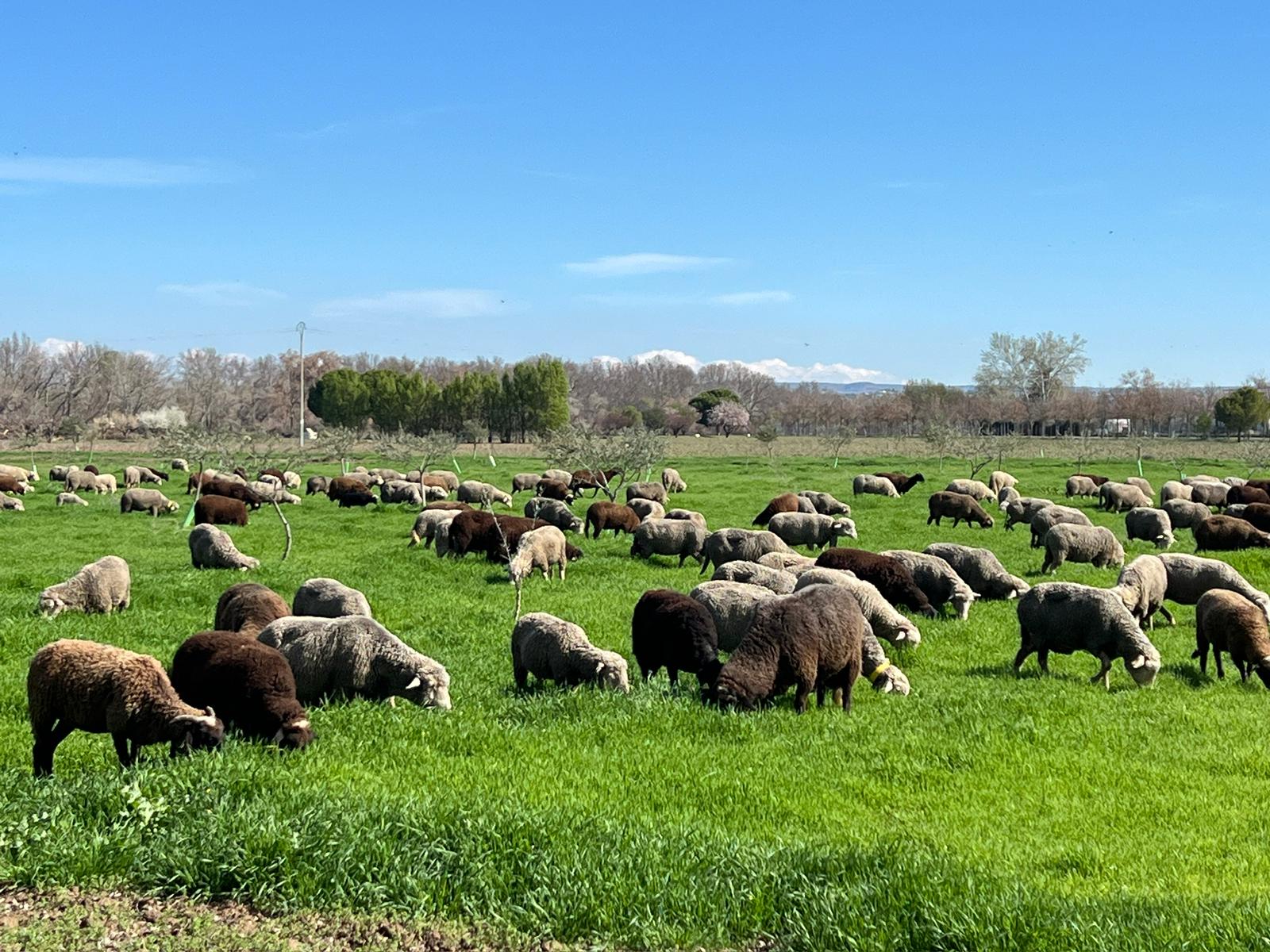
rangeland landscape

The United Nations General Assembly has designated 2026 as the International Year of Rangelands and Pastoralists (IYRP 2026), a global initiative led by FAO that seeks to highlight the essential role of rangelands and pastoralism in the sustainability of ecosystems.

For months, different organizations and institutions around the world have been mobilizing to prepare for this year of celebration. In Spain, various initiatives are being developed to commemorate this event meaningfully.

International Year Priorities:

  • Recognize the multifunctional contribution of rangelands to the SDGs.
  • Raise awareness about their role in climate change mitigation.
  • Promote sustainable livestock systems that respect the environment.
  • Strengthen alliances between pastoralists, researchers and civil society.

In this context of preparation, we invite all interested actors —pastoralists, scientists, policy makers, NGOs— to join the initiatives planned for 2026.

August 20, 2025 National

New Initiative for Transhumance: Paths and Future

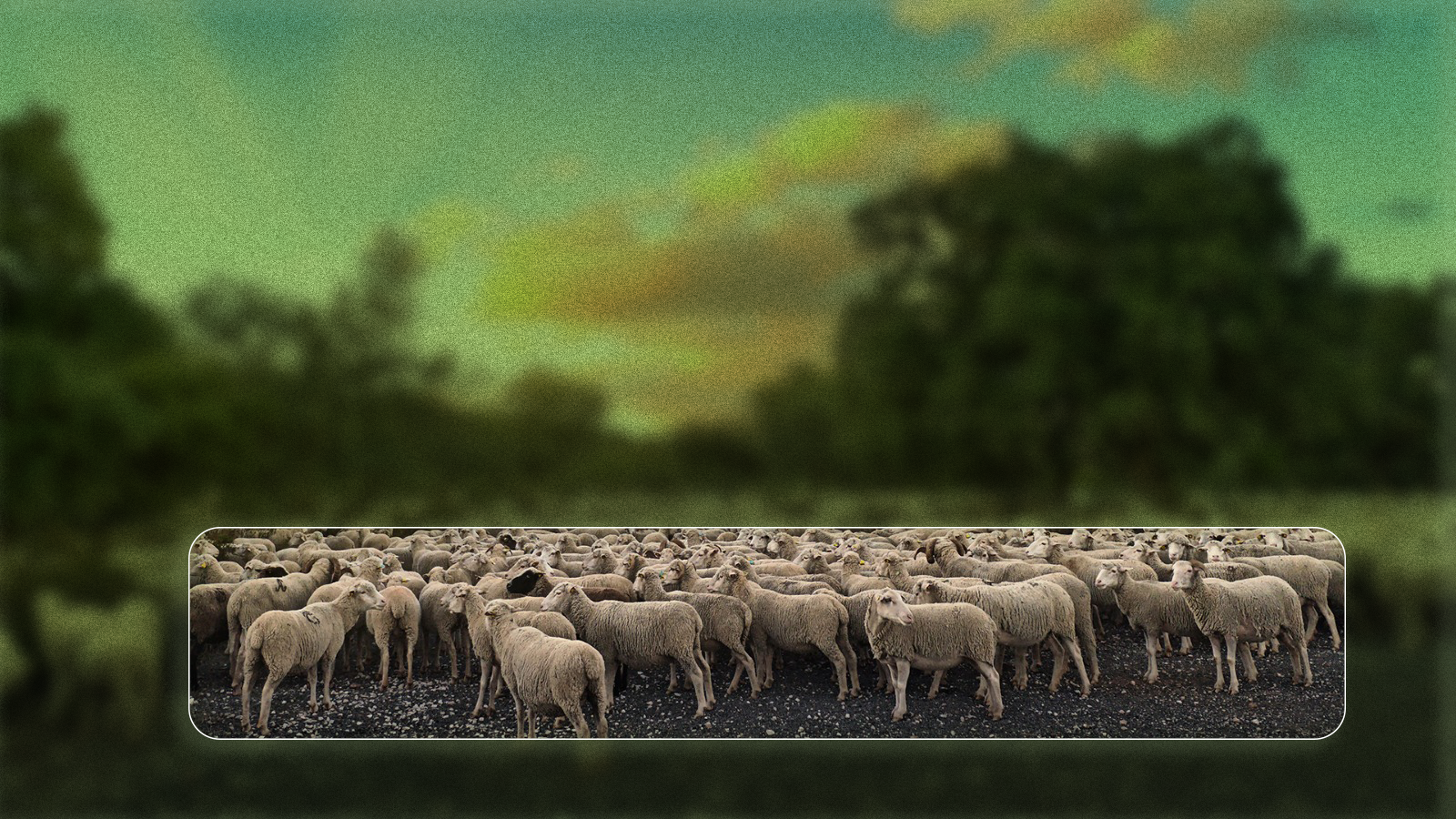
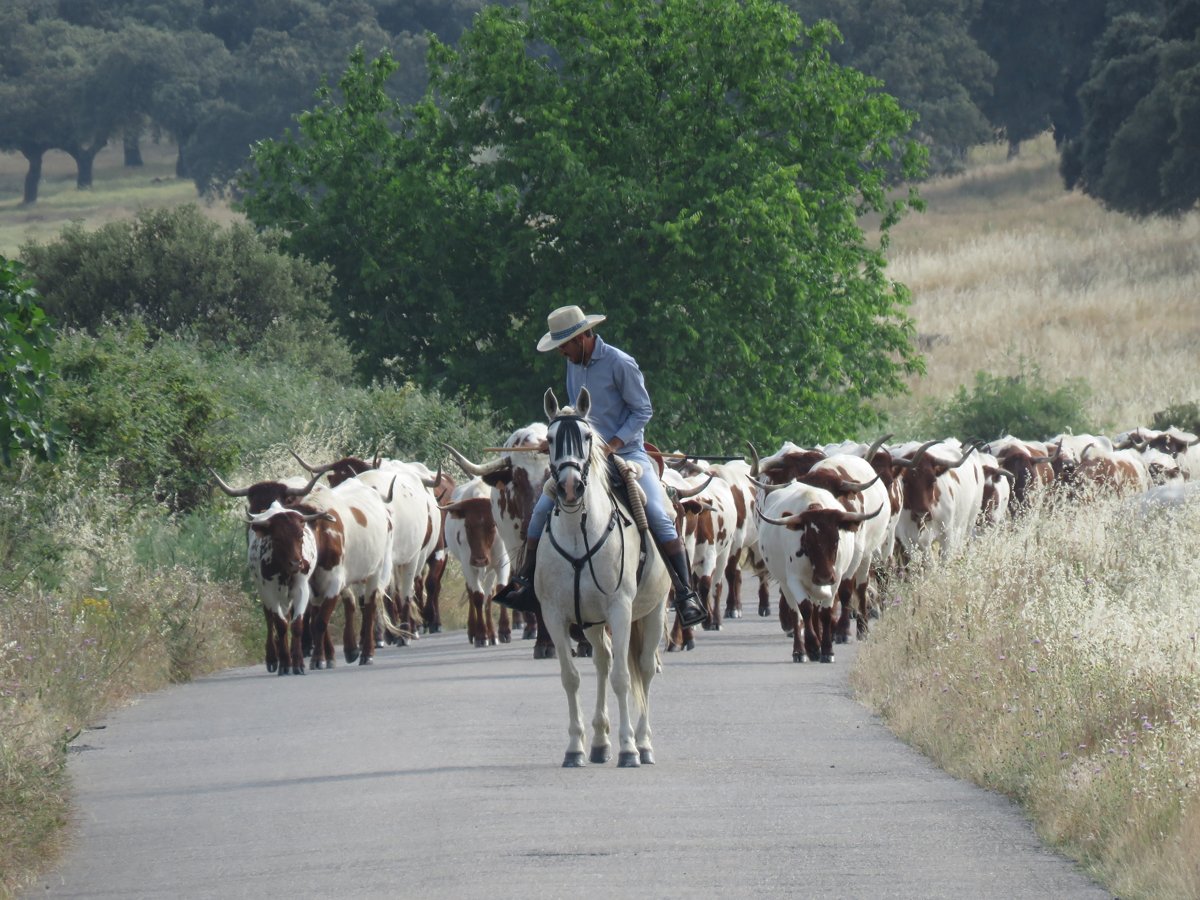
transhumance

The practice of transhumance, recognized as Itangible Cultural Heritage of Humanity, faces new challenges and opportunities in the current context.

A new project seeks to revitalize drovers' roads and encourage generational renewal. Experts in extensive livestock farming point out that recovering these ecological corridors not only benefits herds, but connects territories and biodiversity across the peninsula.